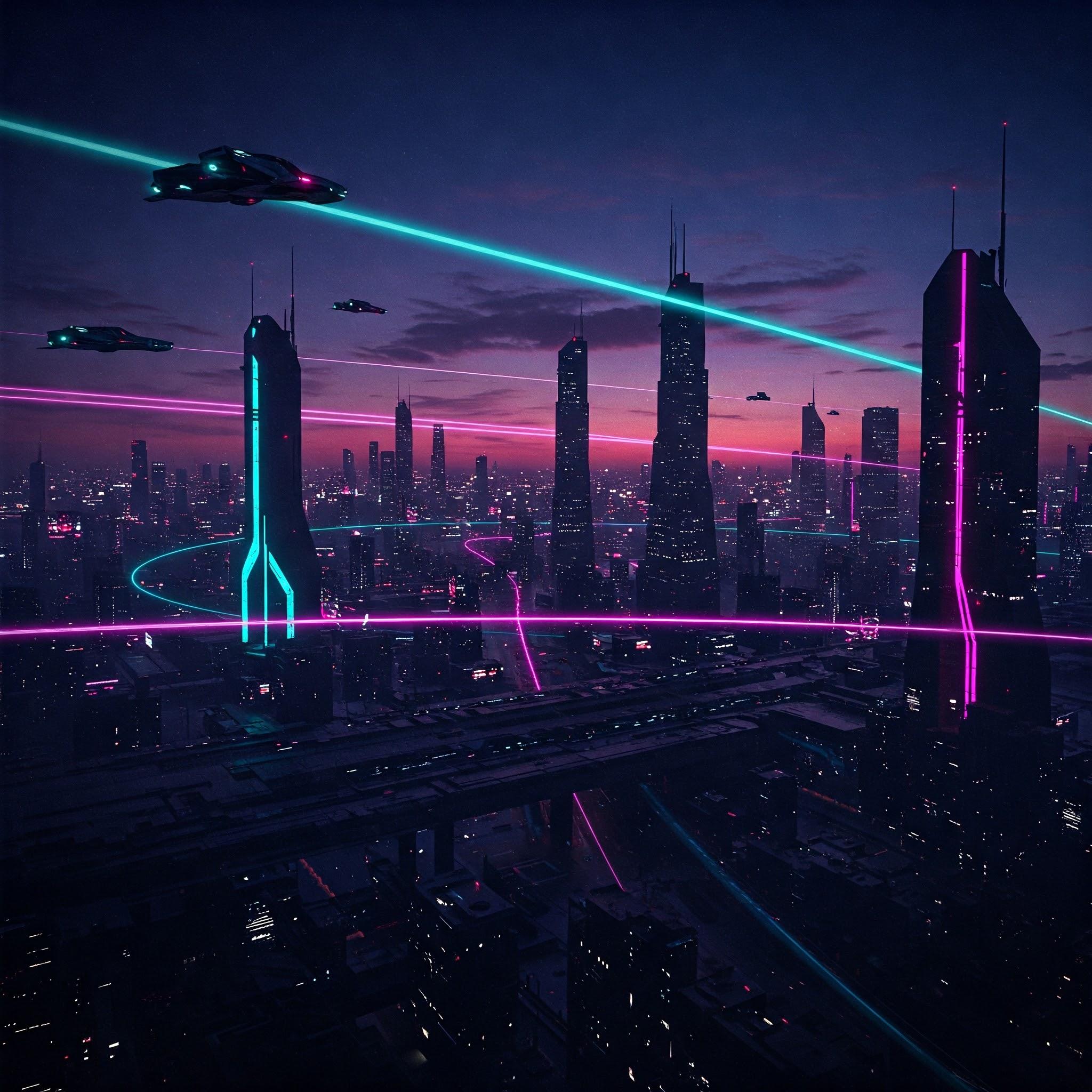
Power to the block: Harvard's plan to fix the grid one neighborhood at a time

Let’s be honest: the American power grid is a geriatric mess. It’s a fragile, centralized relic that seems to buckle every time a squirrel sneezes near a transformer or a heatwave actually gets hot.
But according to new research out of Harvard SEAS, the future of energy isn't some massive, top-down infrastructure overhaul. It’s much smaller, smarter, and a whole lot more local.
Ellen Caraballo’s senior project is basically the blueprint for what nerds are calling "Electric Sovereignty." She’s developed a universal microgrid controller designed to turn individual neighborhoods into autonomous, self-healing power nodes.
Instead of being tethered to a massive, single-point-of-failure utility grid, these microgrids use local energy sources—think rooftop solar, basement batteries, and neighborhood generators—and balance them in real-time.
When the main grid inevitably bites the dust during a storm, these controllers keep the lights on for the block by intelligently shifting power where it’s needed most. It’s essentially a firewall for your electricity.
But as anyone who has ever tried to sync a Bluetooth speaker knows, making hardware and software play nice is a nightmare. This is the "Ghost-Machine Gap" that researcher Madison Davis is trying to bridge.
Davis’s work at Harvard SEAS focuses on the messy intersection of firmware and physical components. Whether you’re deploying a CubeSat into orbit or trying to manage a neighborhood-wide power mesh, the software needs to understand the physical reality of the hardware it’s driving.
We’re talking about "Kinetic Intelligence." It’s the difference between a system that crashes because it doesn't understand its own circuitry and one that can reconfigure itself on the fly when a component fails.
For the average person, this means we’re moving toward a world where your living room isn't just a consumer of energy, but a governing node in a massive, decentralized web.
The analysis is pretty simple: the age of the centralized blackout is becoming an embarrassment we shouldn't have to tolerate. If your neighborhood can communicate with atmospheric harvesters and orbital relays to shift energy loads in milliseconds, why are we still waiting four days for a repair crew after a light breeze?
Of course, the real question is how the corporate energy cartels will react when they realize they can't just "load-shed" their way out of a PR crisis anymore. My guess? They won't be thrilled.
But for the rest of us, teaching the city how to breathe on its own—one neighborhood at a time—sounds like the only way to keep the neon on.
Let's plan for the long game: either we build these microgrids, or we all invest in a very expensive collection of candles.
Sources: Ellen Caraballo's senior project: A controller for neighborhood electric microgrids, Madison Davis, A.B./S.M. '26: Bridging the hardware-software gap at SEAS and beyond.